Hibob and the Structural Foundations of Modern HR Platforms
Disclaimer: This page is an independent educational resource and is not affiliated with or operated by any official organization or service.
Modern corporate environments increasingly rely on integrated digital infrastructures to manage workforce data and coordinate employee processes. The term hibob is commonly associated with contemporary approaches to HR systems that emphasize structured workforce platform architecture, modular design, and centralized people operations visibility. Within this context, hibob represents a conceptual reference point for understanding how digital HR architecture organizes information across talent management, organizational data layers, and operational workflows.
This article examines the structural foundations that define modern HR systems and explains how workforce platform models are typically organized at an architectural level.
Core Architectural Model Behind hibob
The structural model associated with hibob can be analyzed through three primary architectural layers that are typical across modern hr systems:
1. Data Foundation Layer
This layer governs how workforce data is structured and categorized. Common characteristics include:
- Centralized employee records
- Organizational hierarchy mapping
- Role-based data segmentation
- Event-based lifecycle tracking
The data foundation ensures that all talent management elements are standardized and consistently formatted within the broader hr architecture.
2. Process Coordination Layer
Above the data layer, process logic determines how information moves across people operations workflows. This layer generally includes:
- Structured approval flows
- Status-driven task routing
- Cross-department visibility frameworks
- Time-based activity sequencing
The coordination model reduces fragmentation between departments while maintaining a unified workforce platform structure.
3. Interface Presentation Layer
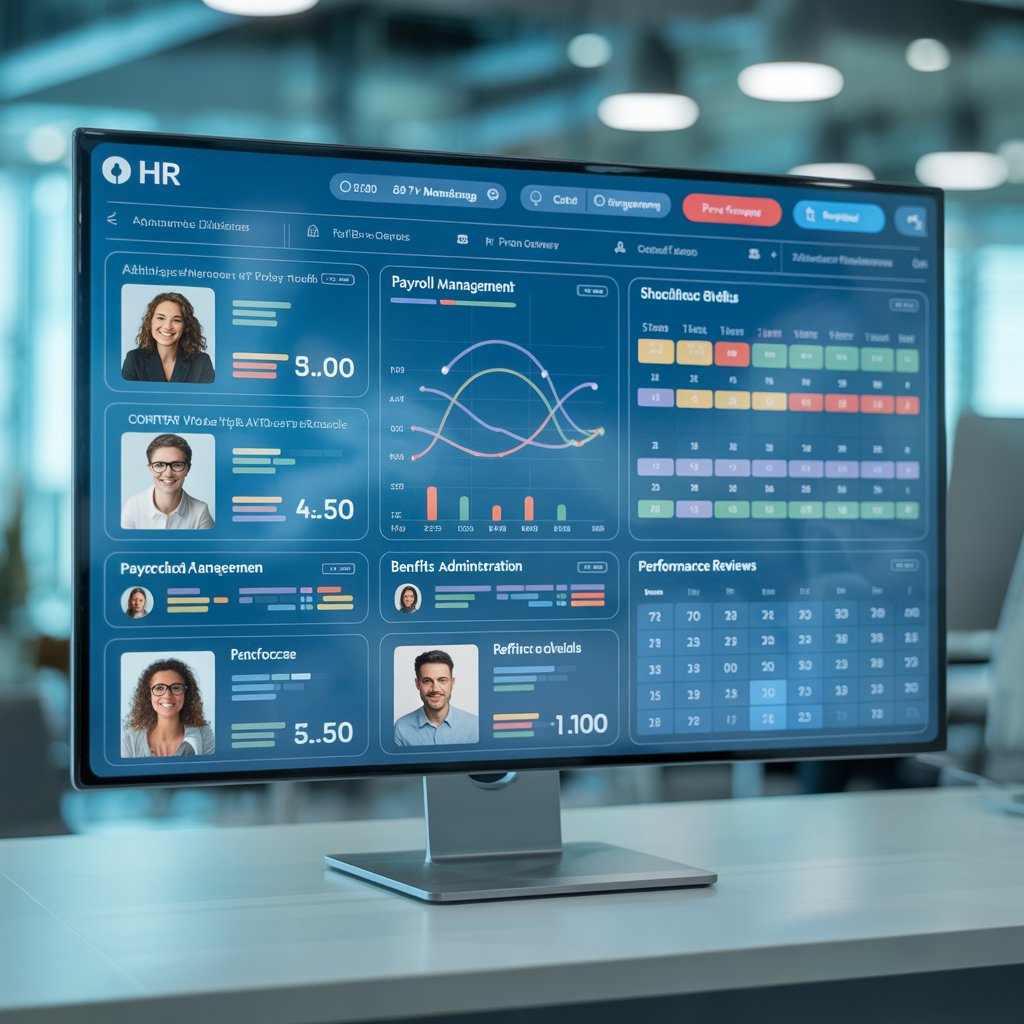
The final structural layer defines how information is displayed and interpreted within corporate environments. Key attributes include:
- Modular dashboards
- Segmented data views
- Context-based navigation clusters
- Role-sensitive interface elements
This layered model is central to understanding hibob as a structured hr systems concept rather than a standalone operational tool.
hibob Within the Broader HR Architecture Ecosystem
Modern hr architecture does not operate in isolation. Instead, hibob-aligned workforce platform structures typically integrate with:
- Identity management frameworks
- Organizational reporting engines
- Talent management analytics models
- Workforce planning modules
From a systems perspective, hibob illustrates how digital HR environments prioritize structural clarity over isolated feature development. The architecture emphasizes:
- Data normalization
- Cross-functional consistency
- Hierarchical transparency
- Modular scalability
These characteristics are consistent across advanced people operations infrastructures in corporate environments.
Structural Components Commonly Found in hibob-Oriented HR Systems
Within the workforce platform category, several structural components frequently appear:
Organizational Mapping Modules
- Department segmentation
- Reporting line visualization
- Position classification
Talent Management Frameworks
- Performance categorization schemas
- Skill taxonomy alignment
- Competency matrix structuring
People Operations Coordination Tools
- Workflow status mapping
- Documentation classification logic
- Process milestone tracking
These components illustrate how hibob-related hr systems focus on systematic organization rather than transactional operations.
Conceptual Design Principles of Workforce Platform Systems
The structural clarity associated with hibob aligns with broader workforce platform design principles:
- Centralization without redundancy
- Modular expansion capability
- Role-based data exposure
- Predictable process sequencing
- Hierarchical consistency
Such principles form the backbone of modern hr architecture and support coherent people operations frameworks across corporate environments.
Summary of Structural Foundations
The structural interpretation of hibob within digital hr systems highlights a layered architecture composed of data foundations, workflow coordination, and interface presentation. As a workforce platform model, it reflects systematic organization of talent management processes and standardized people operations logic.
Rather than focusing on operational access or functional instruction, this overview clarifies how contemporary HR systems are architected to manage workforce information coherently within corporate ecosystems.